What is Behavior Diversity®?
Behavior Diversity® is a fairly new concept, supported by recent empirical studies and is defined as: “Our behavioral differences that we can’t see, but greatly affect how we perceive others.”
Behavior Diversity® Training assists individuals to understand their own behavioral attributes in relationship with others, understanding and recognizing behavioral “Resistance Gaps” that can lead to unrealistic expectations, misperceptions of discrimination, bullying, and sexual harassment. Employee attitudes and behaviors have occupied the attention of organizational scholars and practitioners for decades (Shore, Sy, & Strauss, Winter 2006
Behavior Diversity® focuses on differences generally not recognized, but which influence the way we act, conduct ourselves, and perceive others (Watson, 2018).
Additionally, Behavior Diversity® focuses on nine behavioral profiles: pace, assertiveness, sociability, conformity, outlook, decisiveness, accommodation, independence, and judgment (Profiles International, 2019). These behavioral traits provide a solid foundation for trust and open communication to drive empathy and self-mastery amongst individuals. Understanding these behavioral traits of one’s self in relation to others creates realistic expectations, a solid foundation of trust, and open communication that drives empathy amongst individuals.
Employee attitudes and behaviors have occupied the attention of organizational scholars and practitioners for decades (Shore, Sy & Strauss, Winter 2006). Equally important, the impact employee attitudes and behaviors have in the workplace contrubutes to how long individuals stay with an institution.
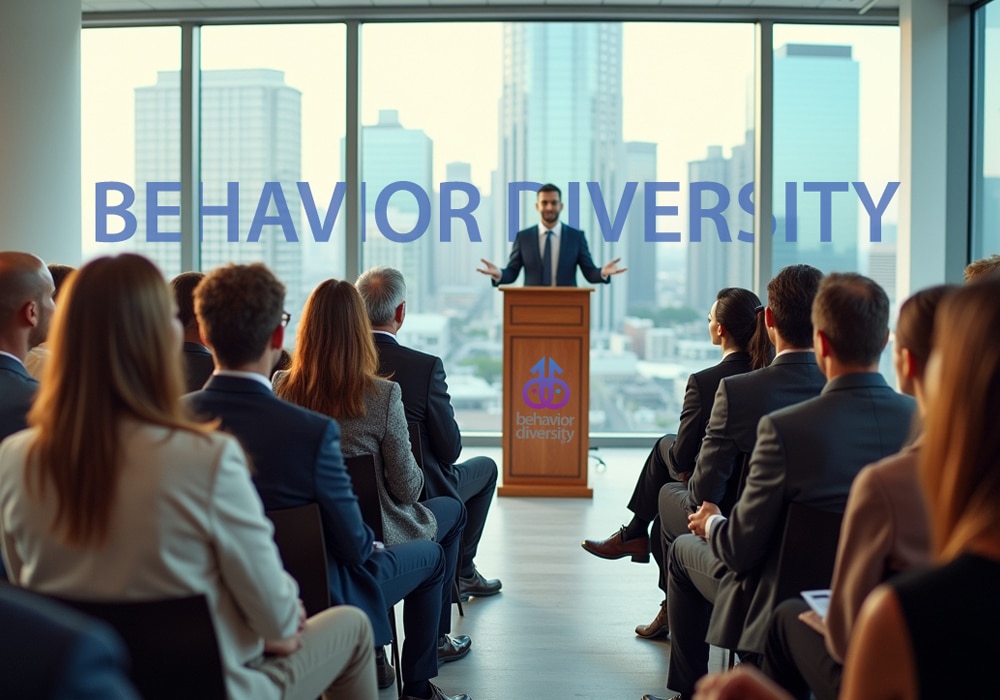
By continuing to focus on benefits and opportunities that arise from creating a diverse workforce, research offers mid-level managers opportunities to recognize how diversity impacts the organizations’ culture and success. Through the lens of Behavior Diversity™, individuals become aware of the managerial skills needed to adapt and lead an ever-changing multicultural work environment. Further, successful organizations with diverse work teams report that their teams are more effective and produce better results, as well as being more innovative (Nelson, 2014).